
Our Work
Human Rights Coalition (HRC) organizes with incarcerated people, formerly incarcerated people, and their families to defend human rights, stop abuse, and build pathways to freedom and stability—inside and outside prison walls.
Looking for our year-in-review? Read the Annual Report
WHAT WE DO
Empowerment & Advocacy: We provide a safe place for family members of prisoners where there is no embarrassment associated with having a loved one in prison; HRC members are facing the same stigma, restrictions, dilemmas that you are going through this very minute. We respond to the letters asking for HRC’s help by educating family members on how to build a support system and organize their family, neighbors, and church around their individual issues. We also assure our members that abuse and torture will not be tolerated. The Michael Brown and Eric Garner crimes that were openly committed and excused are routine within the Department of Corrections and affiliations.
Bull Horn & Watch Dogs: We collectively address issues of abuse or torture (Emergency Response Network) using Facebook and Email to alert HRC members of reported and confirmed prisoner abuses and/or violations of human rights. To stand up against such violations we bring public awareness, by broadcasting on social media, radio, and newspapers; calling and/or writing to the prison, informing our legislators, and finally collaborating with supporters (i.e., Abolitionist Law Center and Amistad Law Project) in moving forward with next steps.
A long-term struggle and the den of abuse and torture has been solitary confinement. We fight for a permanent change in the use and abuse of solitary confinement through legislation.
Our Core Work & Campaigns
-
End Solitary Confinement
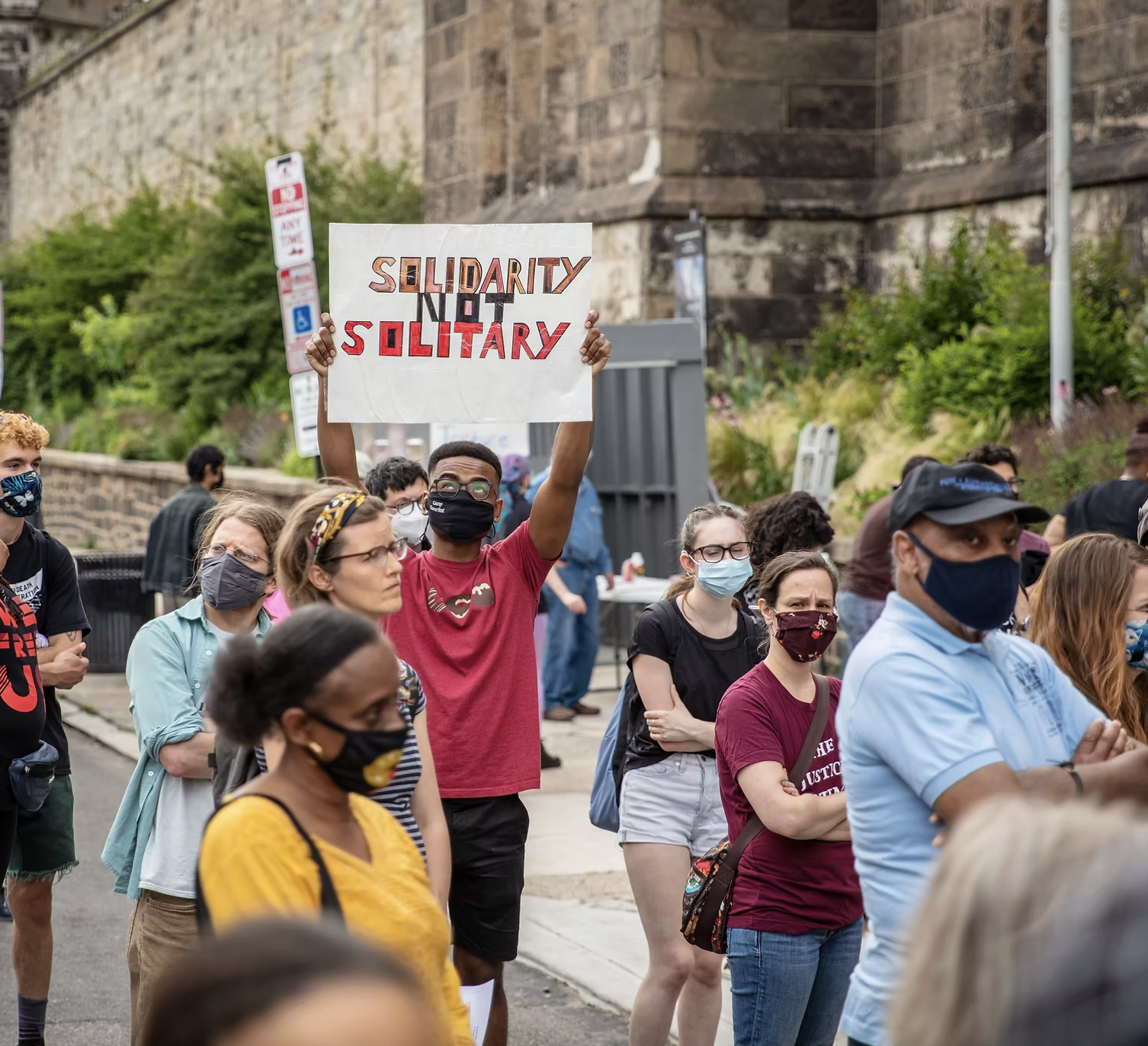
Led by organizers who experienced solitary firsthand, HRC advocates for the passage of legislation that would eliminate long-term solitary confinement and prohibit the use of solitary for vulnerable populations.
-
Toxic Prisons Campaign
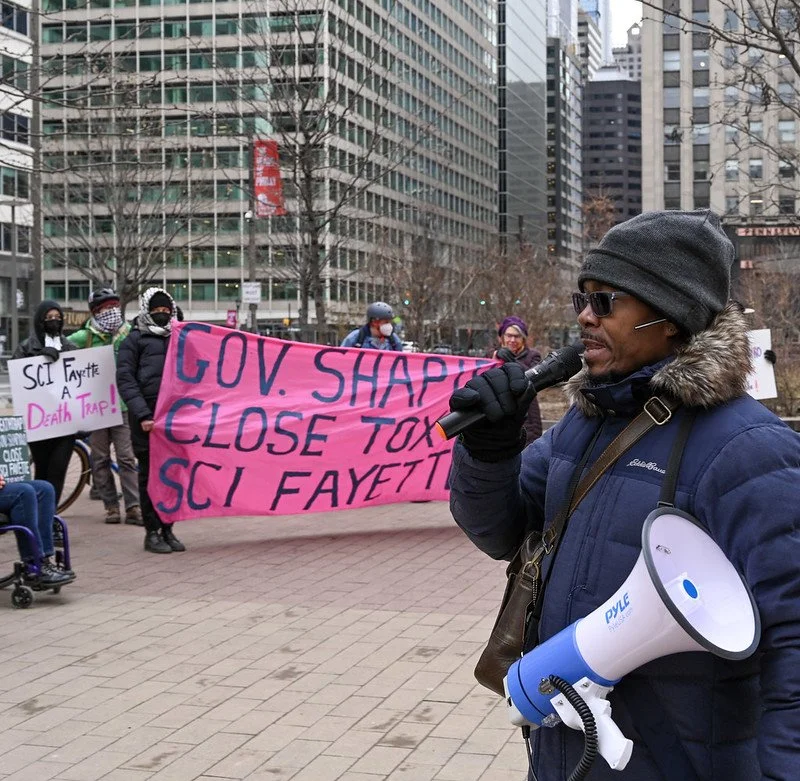
Incarcerated people across PA are often forced to live in toxic conditions—contaminated water, polluted air, and hazardous facilities that damage health and violate human rights. We organize with people on the inside and our partners to expose harm and push for accountability and change.
-
Medical Release & Other Legislative/ Accountability Advocacy
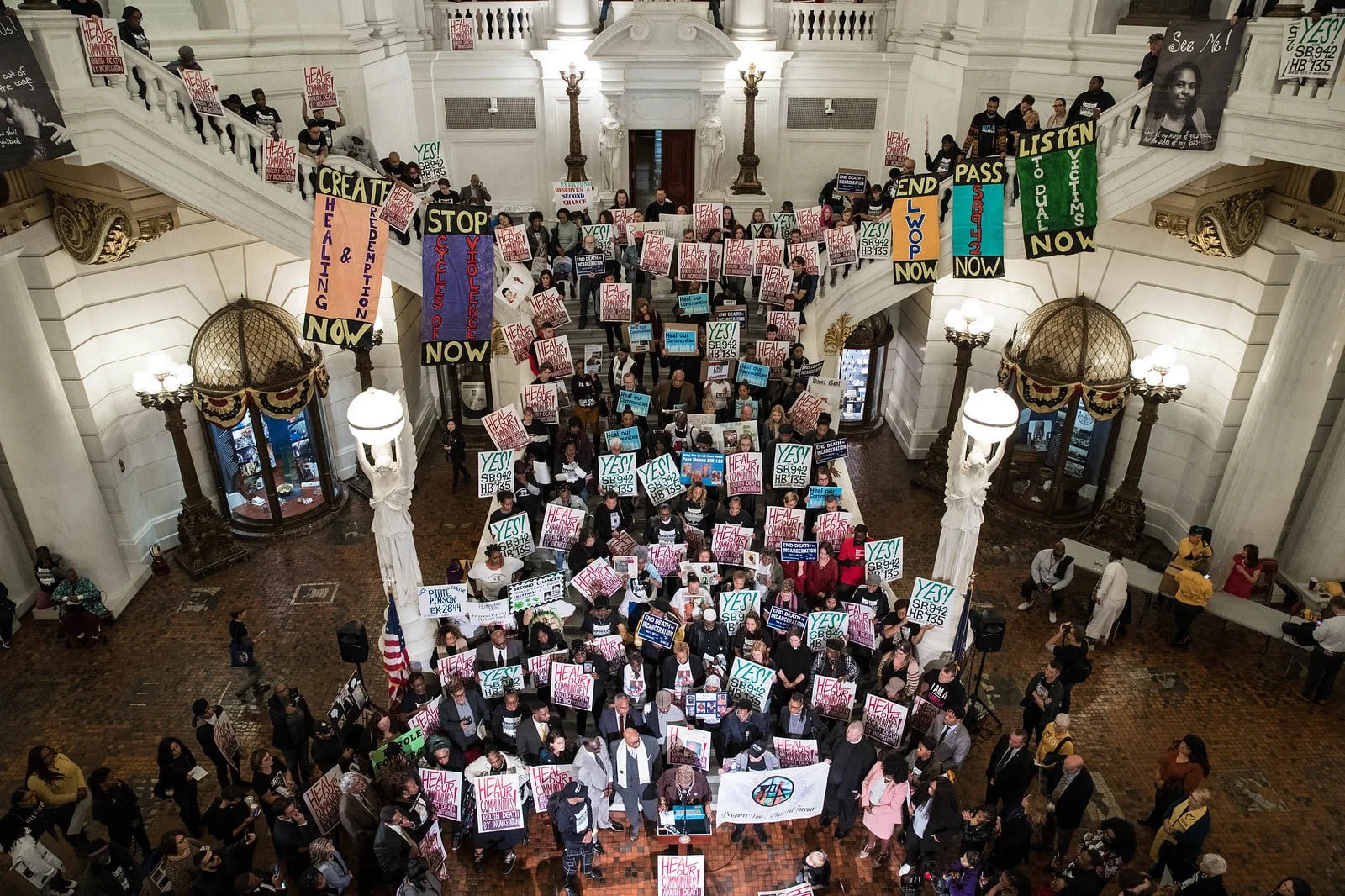
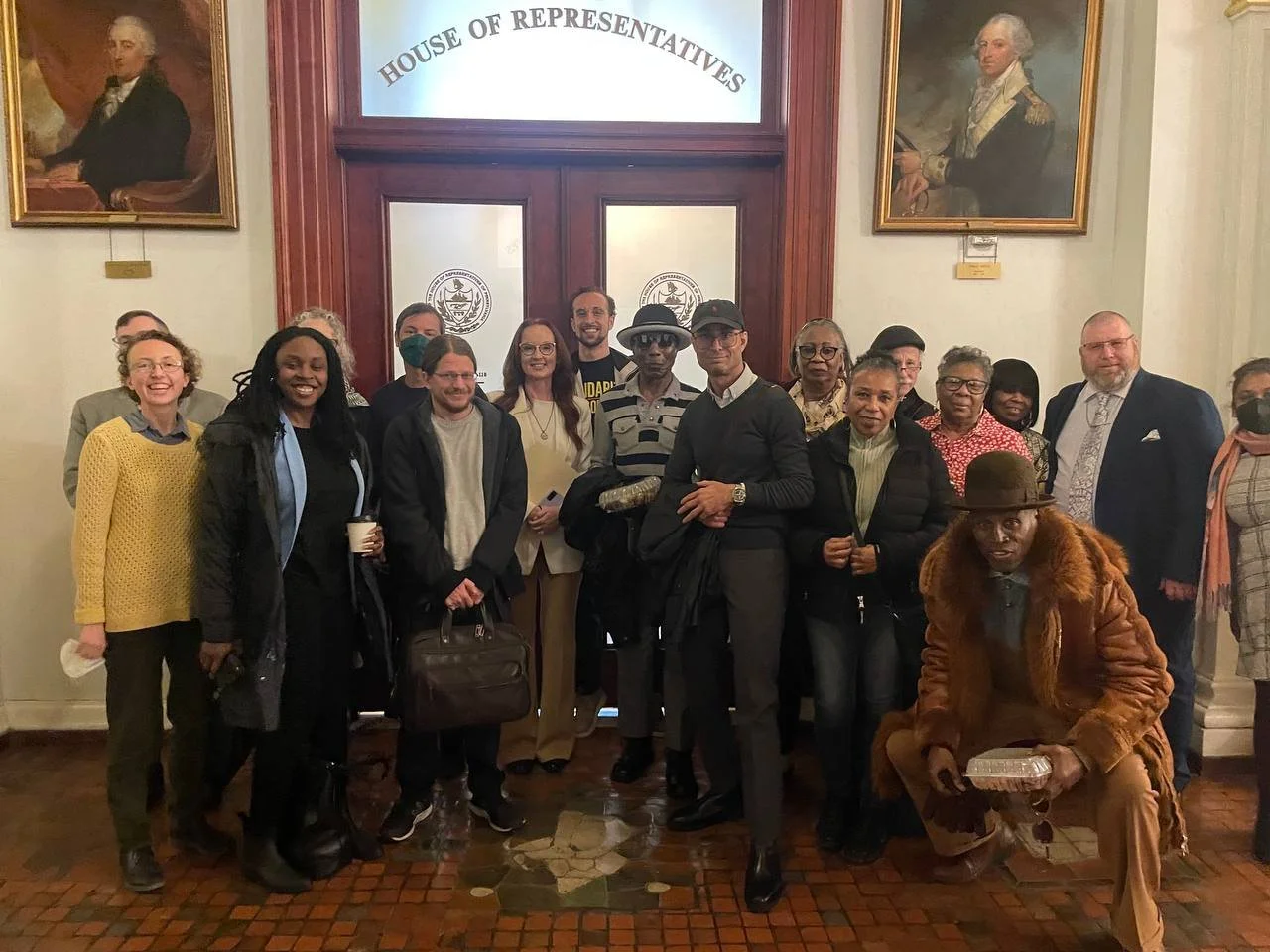
We advocate for laws that protect human rights, end death-by-incarceration, expand release pathways, and create real oversight and accountability at the city and state levels. We meet with legislators, mobilize communities, and work with allies to turn urgent demands into enforceable change.
Examples include: HB 150 (medical release), solitary confinement reform/ban bills, Philadelphia’s prison oversight work, and our Ombudsman campaign.
-
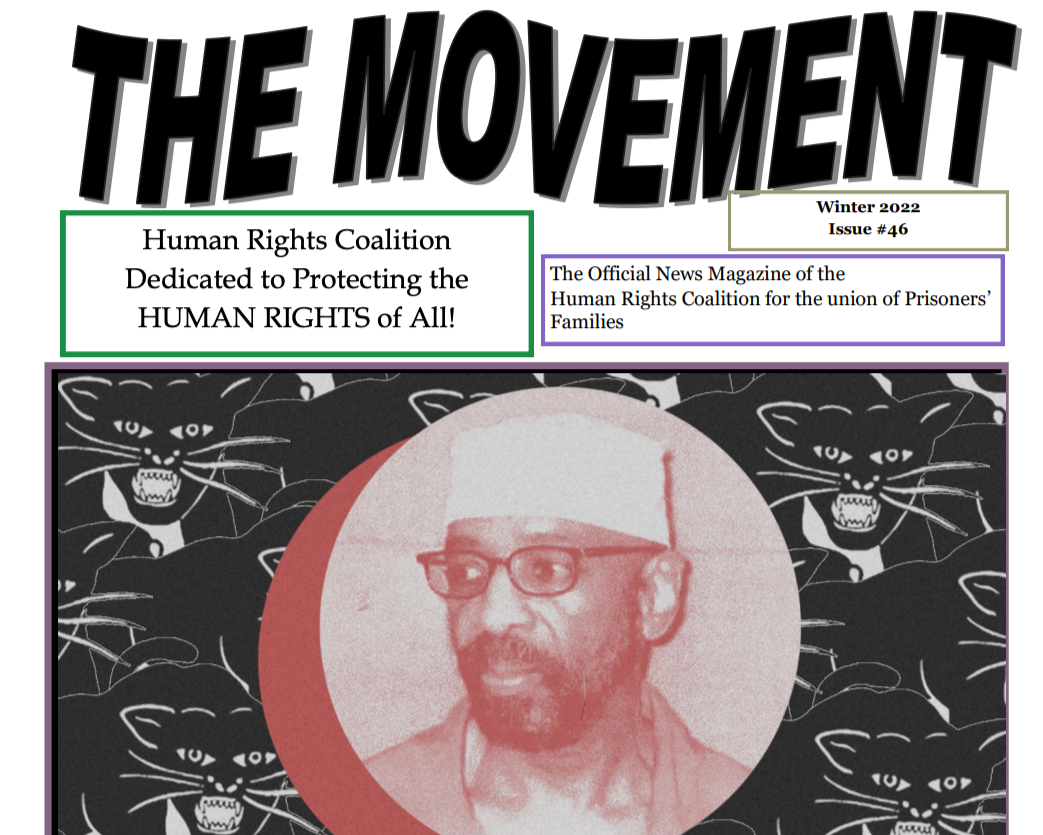
The MOVEMENT
Since 2001, HRC has published THE MOVEMENT Magazine—a powerful public voice that connects people inside to the outside world and brings visibility to the issues impacting incarcerated people and their families.
Issue published every quarter
-
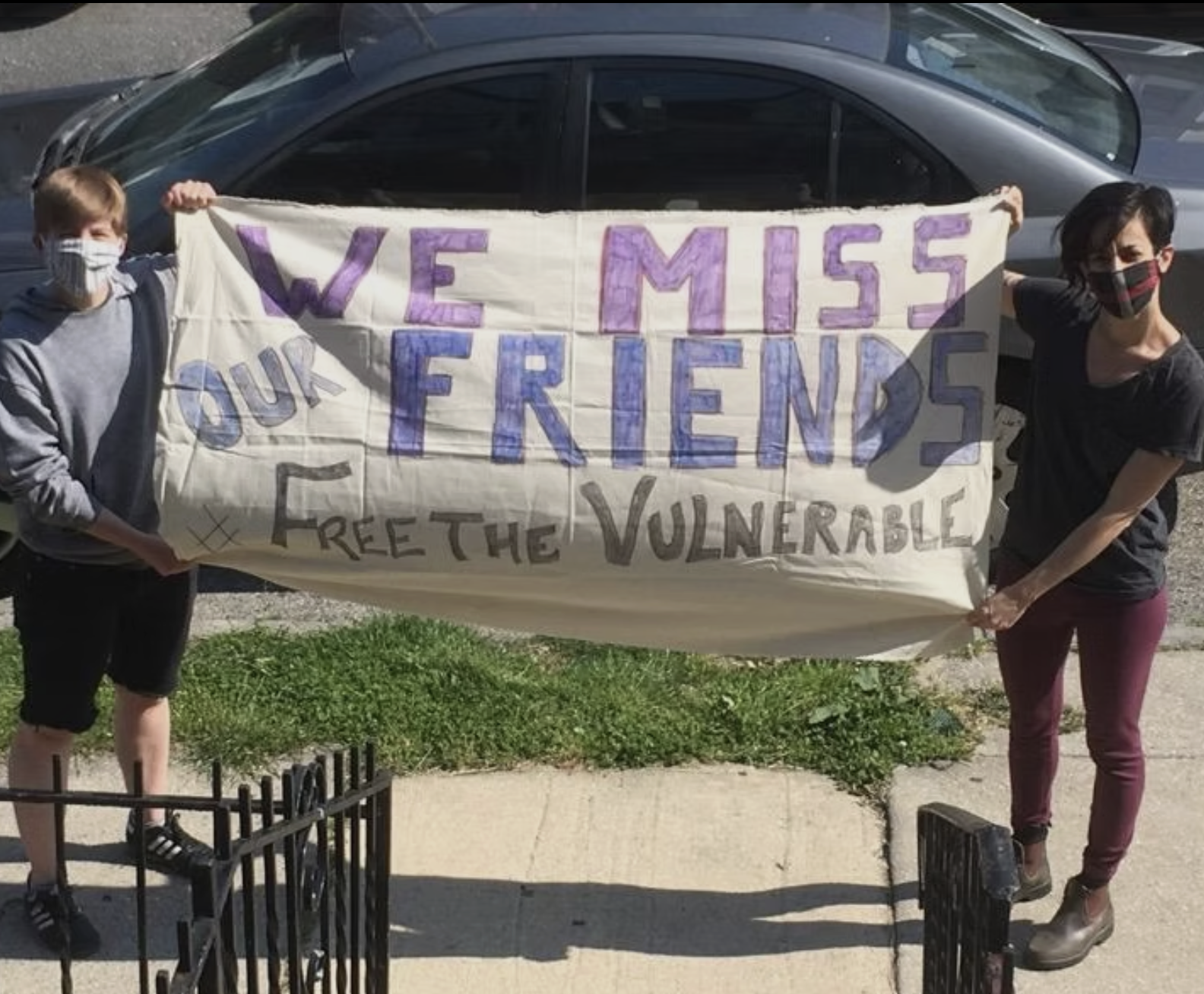
Letter Writing
Individual correspondence with incarcerated people is part of our broader fight to abolish the prison industrial complex by breaking isolation and dehumanization and building grassroots solidarity between people inside and outside.
-
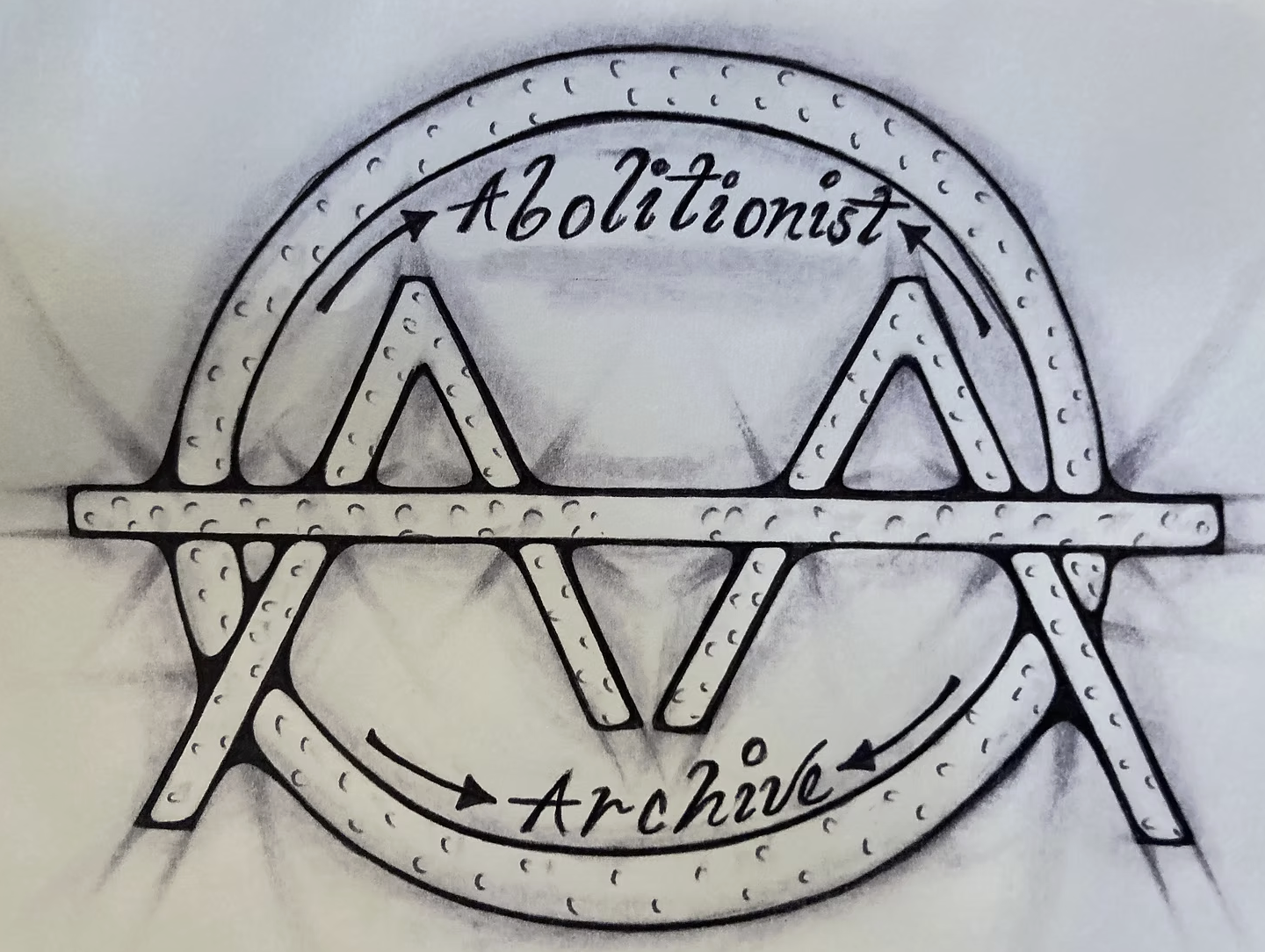
Prison Abolition Archive
HRC is preserving the truth of what families and incarcerated people have lived and fought through. The Prison Abolition Archive will safeguard decades of organizing materials—especially the 10,000+ letters from inside—so the public can understand the harm, the resistance, and the demands for freedom.
Inside/ Outside Letter Writing
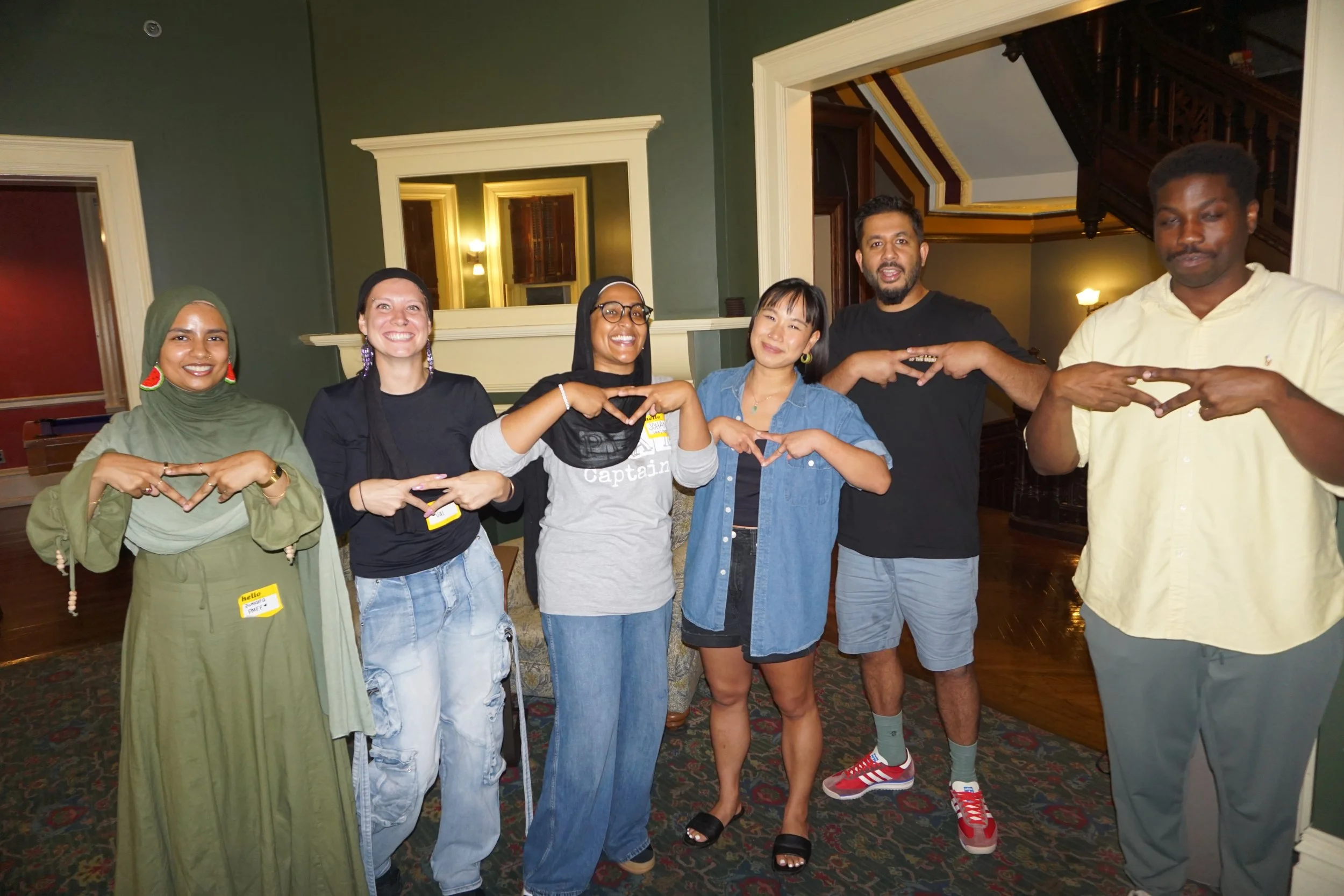
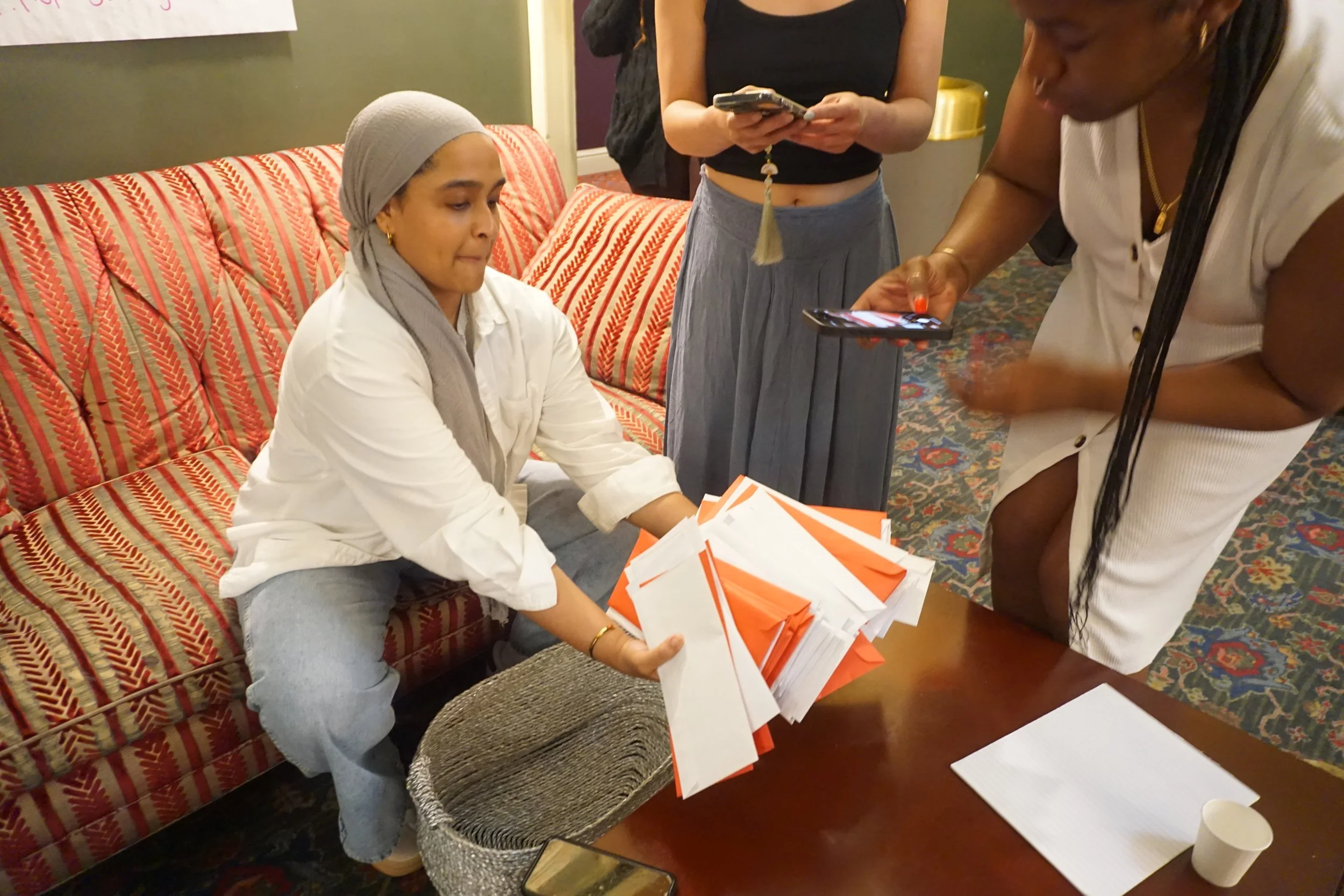
Monthly HRC, ALC, and Philly Muslin Freedom Fund join together to host Letter Writing Night.
As a collective, we view individual correspondence with incarcerated people as a vital component of the broader struggle to abolish the prison industrial complex (PIC) and build equitable, sustainable communities.
Our work actively undermines the isolation and dehumanization inherent in the PIC by cultivating grassroots networks of solidarity between those on both sides of the walls.
We meet to write the 2nd Thursday of each month.
Prison Abolition Archive
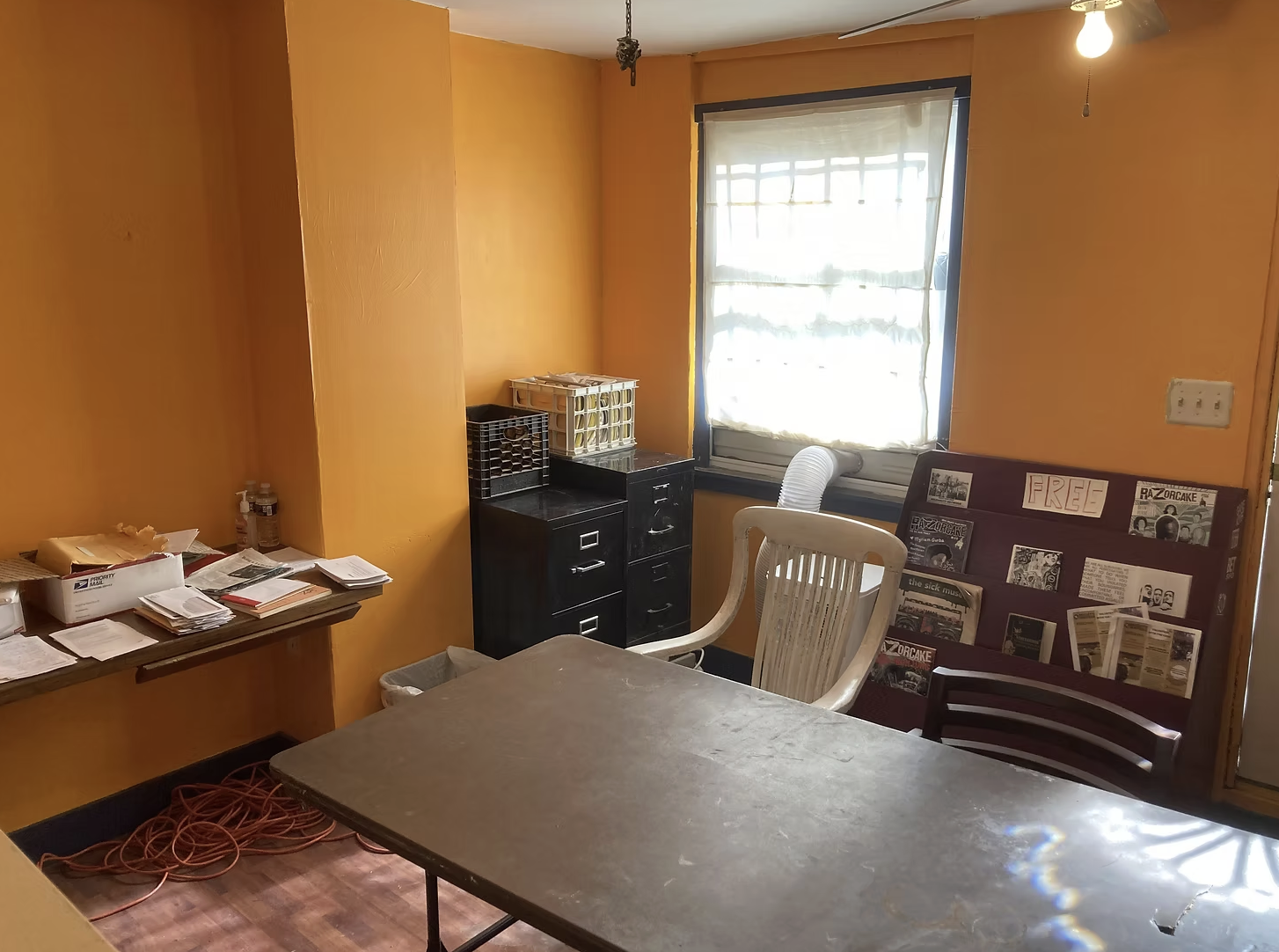
HRC is building the Prison Abolition Archive (PAA) to preserve and share the movement history created by incarcerated people, families, and directly impacted organizers. With support from a $5,000 Turning Points in History grant awarded through Villanova University’s Albert Lepage Center for History in the Public Interest, we are organizing our records into a public-facing archive that documents two decades of struggle and people power.
The Archive documents and preserves administrative records, surveys, legal documents, and 10,000+ letters from incarcerated people, along with other materials HRC has collected over the last 20 years—so future generations can learn from what families and incarcerated people fought for, and what we built together.
This is a collaborative project with local archivists and movement partners, including Drexel University collaborators and HRC organizers.
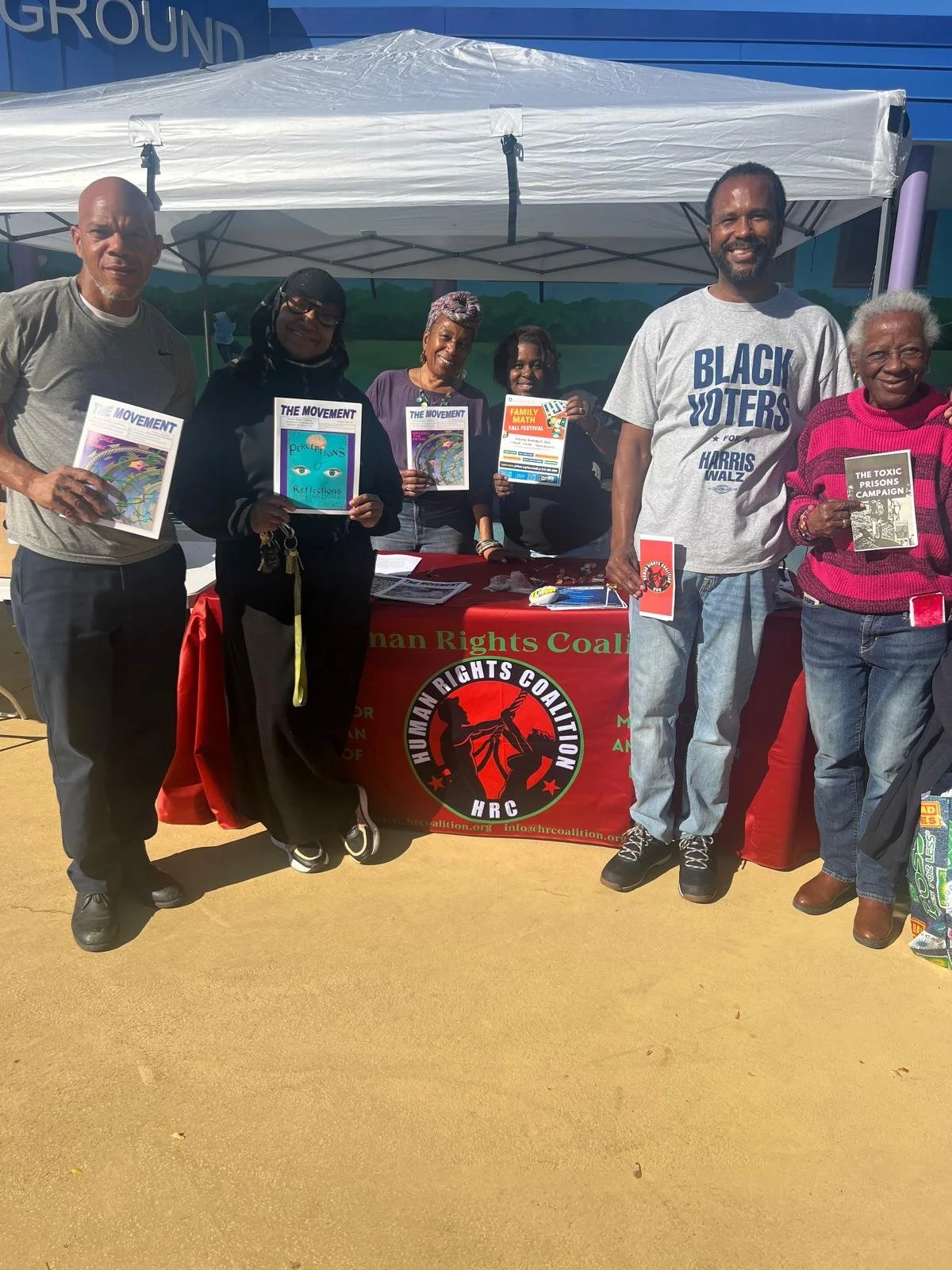
More ways we organize
HRC also builds power through community actions that keep people connected, informed, and protected—inside and outside.
Democracy and civic power, including work connected to voting rights and accountability forums
Court support and freedom campaigns
Community events and convenings (resource fairs, screenings, town halls)
Reentry support (NEW): HRC is expanding inside-prison preparation for release—pre-release navigation and training pathways (job readiness, education readiness, and planning for stability). This work is new and growing. See what it is about here.
How We Win
We work with other organizations and win through organized people power—families, members, and directly impacted leadership—combined with strategic advocacy and coalition pressure.
Join The Fight
If your loved one is inside, if you’ve been inside, or if you believe human rights belong to everybody—there is a place for you here.