
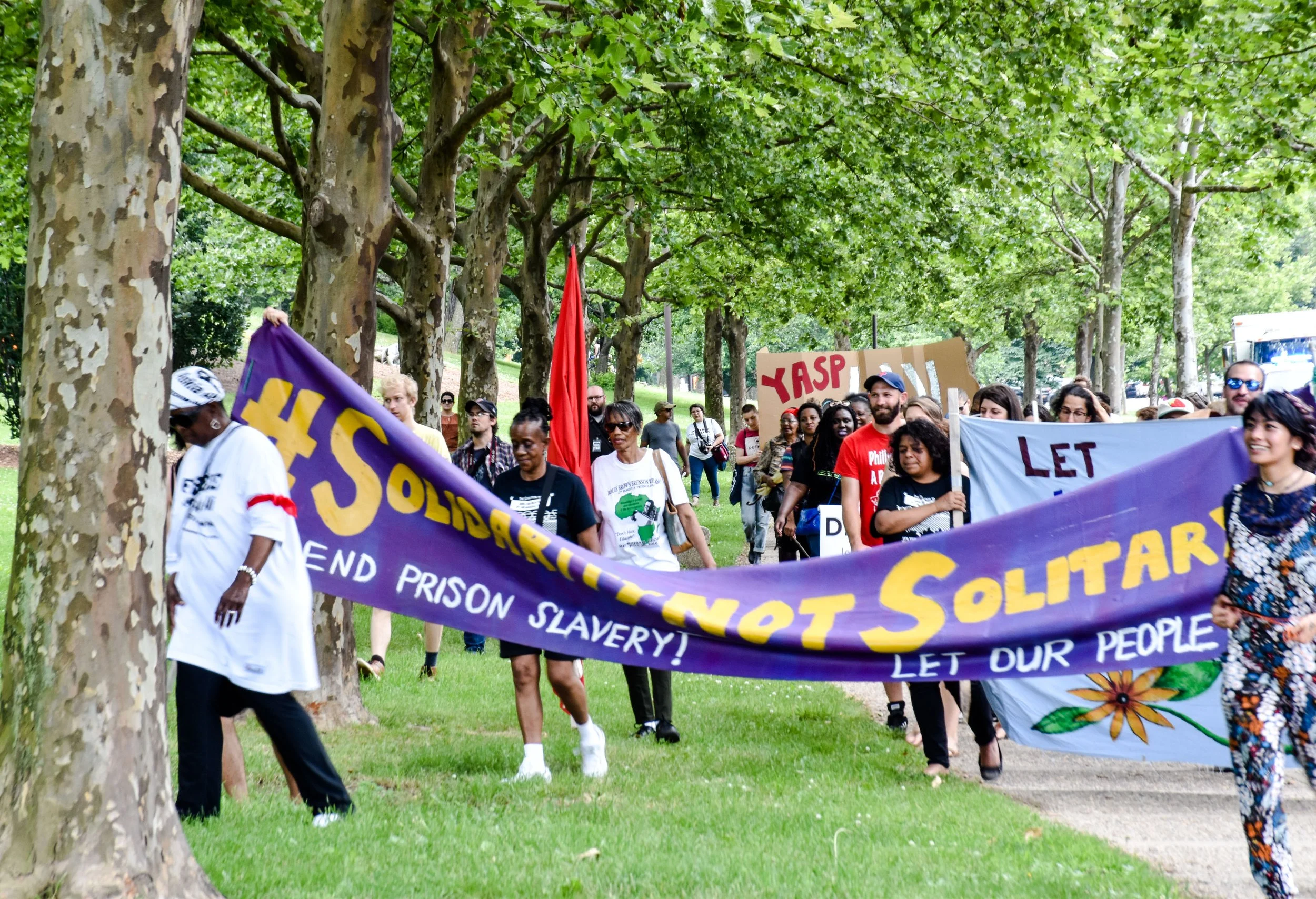
Stop Solitary Campaign
In 2015, the United Nations declared that more than two weeks in solitary confinement is torture. Yet in Pennsylvania, the Pennsylvania Department of Corrections confines 2,500+ people in solitary for months, years—even decades.
Led by organizers who have survived solitary firsthand, HRC fights to end long-term isolation and ban solitary for vulnerable people.
Take Action Now
-
Get Campaign Updates
We’ll send meeting info, action alerts, and key moments when we need collective pressure.
-
Give to the Solitary Support Fund
Direct support for people placed in solitary to replace essentials and stay connected.
-
Sign the Professional Letter
Help amplify the public health and human rights case to lawmakers and decision-makers.
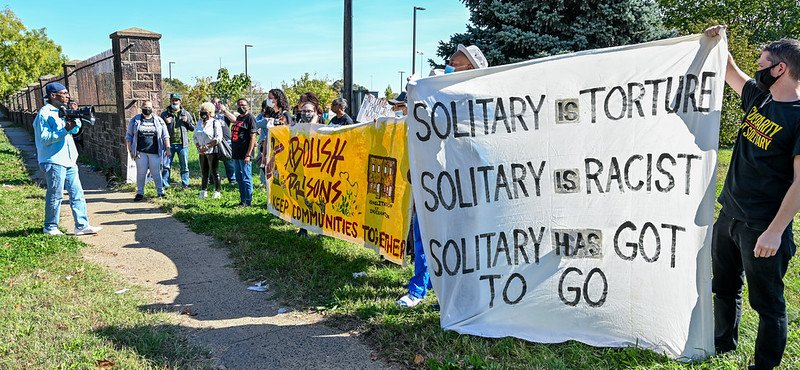
Why This Matters ? Solitary is a public health crisis
Solitary is torture— It is designed to isolate, break, and disappear people and it’s happening to thousands of people in Pennsylvania right now.
We treat it as a human rights emergency—because what happens behind prison walls comes back to our families, our neighborhoods, and our futures.
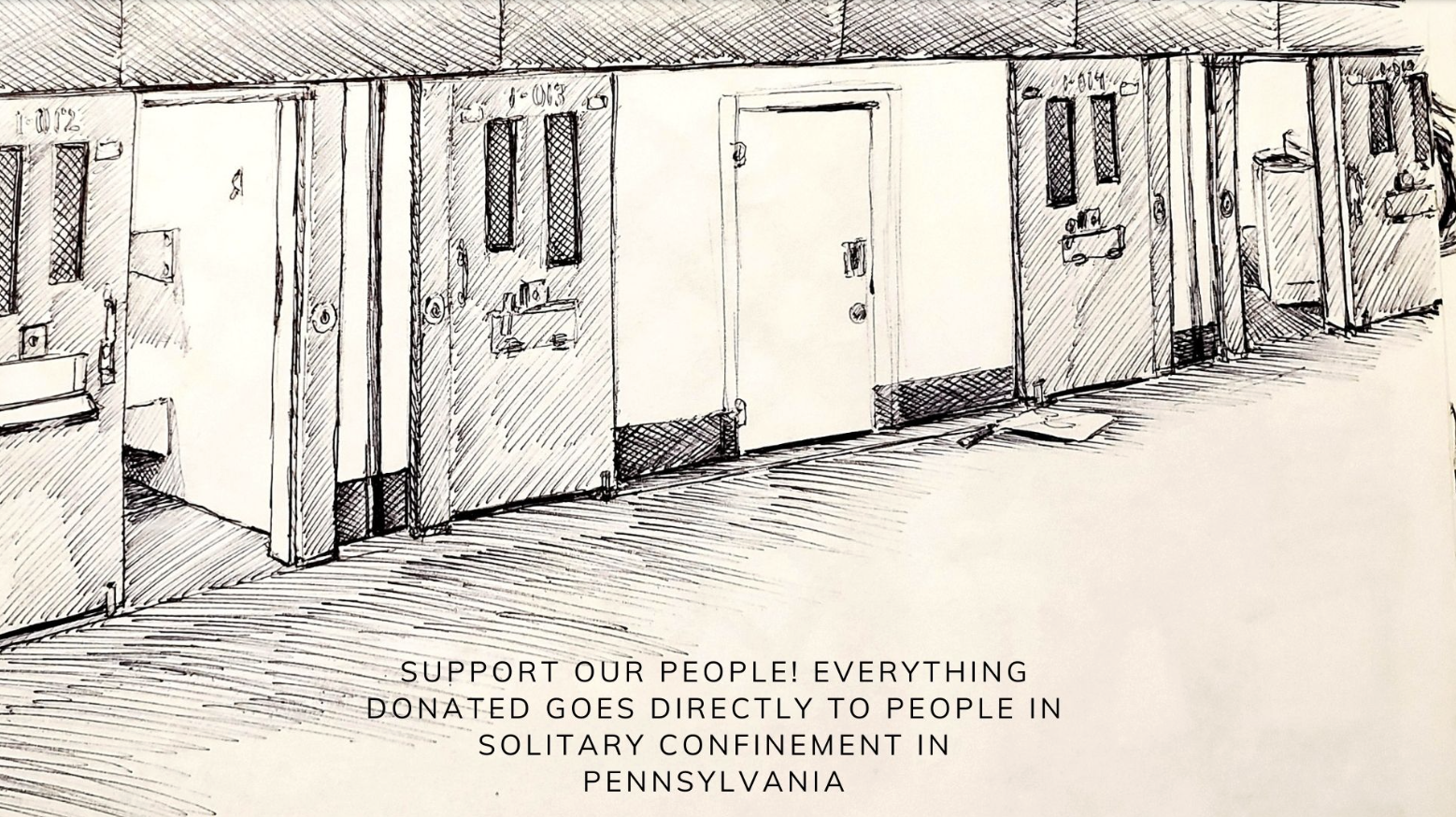
Send support to folks in solitary
When someone is sent to solitary, their property is often tossed and essentials—from underwear to books—are thrown out. People in solitary also can’t work prison jobs to earn even the small wages they rely on. Donations to our Solitary Support Fund go directly to people placed in solitary so they can replace essentials and stay connected to outside community and solidarity.
HB 2059 (Mandela Rules for PA) — current legislative priority
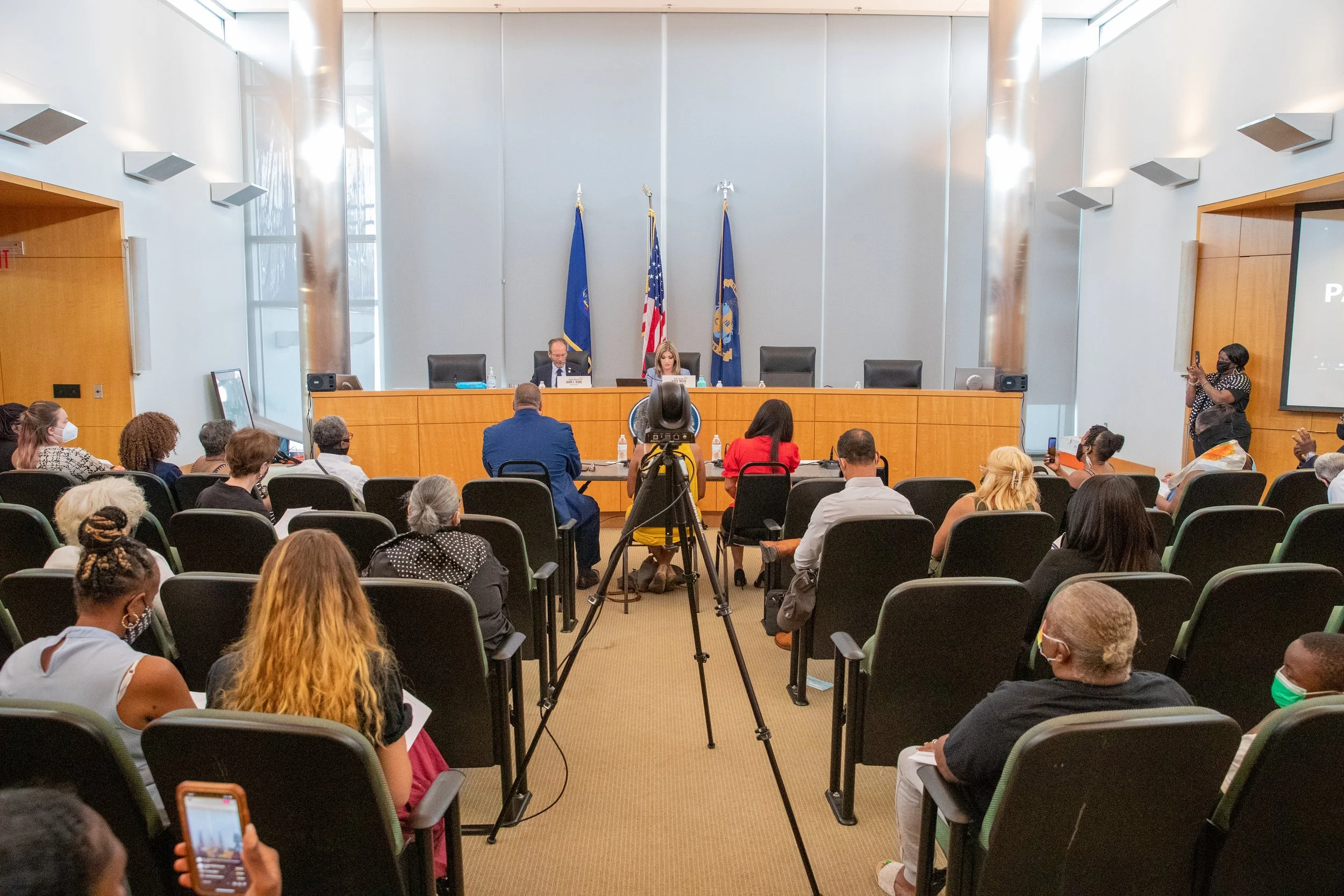
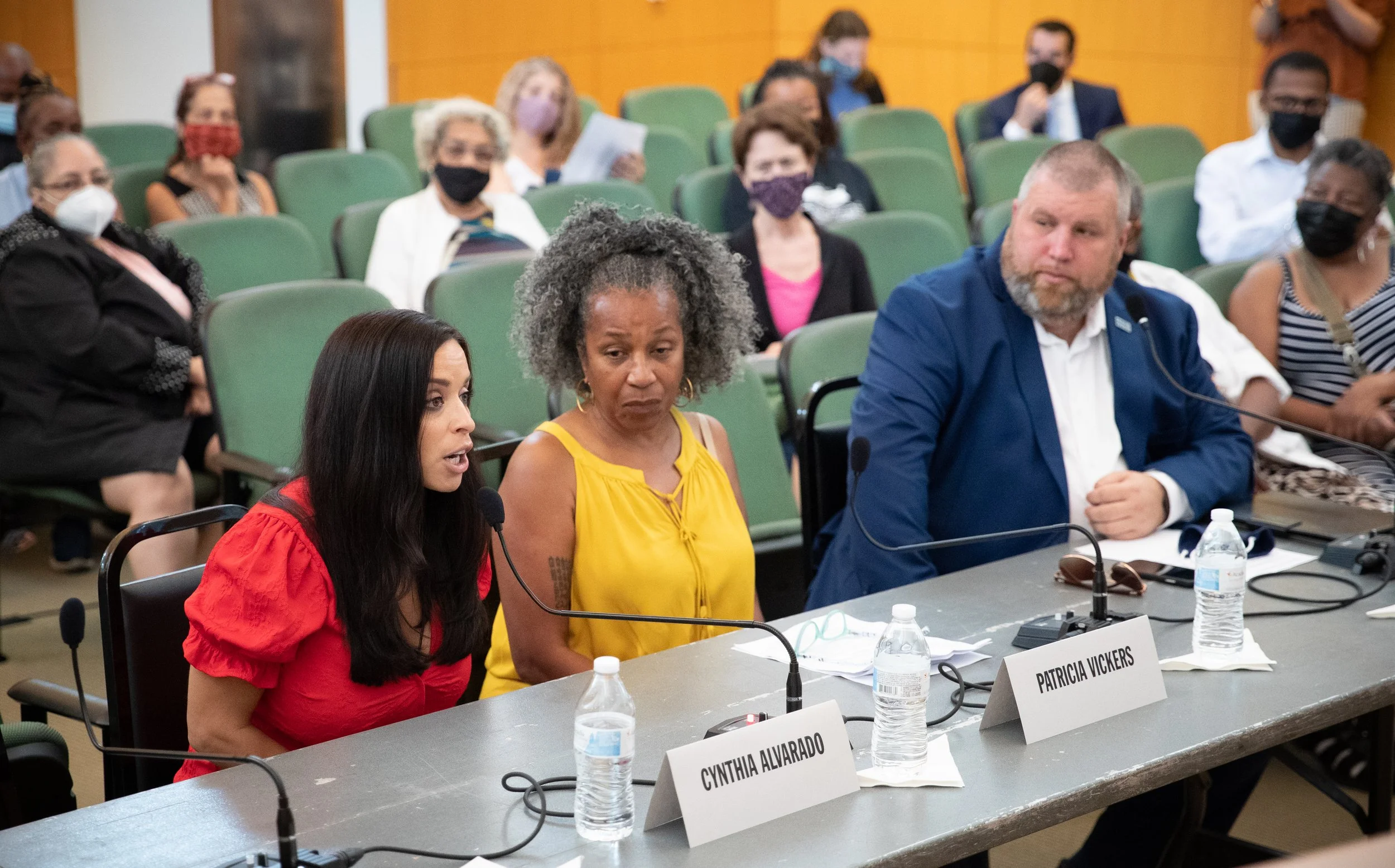
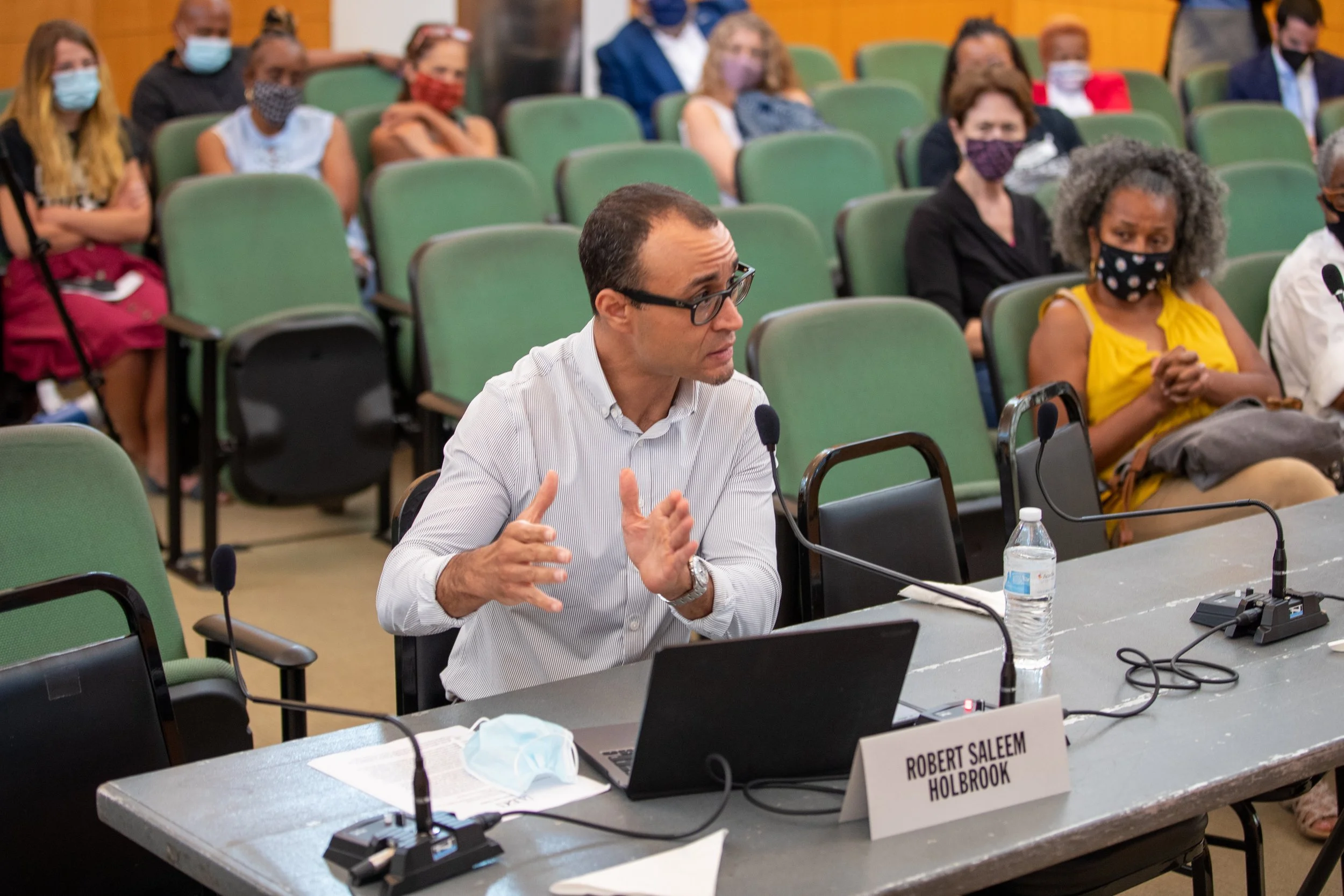
Pennsylvania’s current use of solitary confinement—often isolating individuals for 23+ hours a day for months or even years—is a violation of basic human rights. House Bill 2059 pushed by HRC and Abolition Law Center (ALC) seeks to align Pennsylvania’s carceral system with the United Nations’ Mandela Rules, establishing the most significant protections for incarcerated Pennsylvanians in decades.
Hard time limits: max 15 consecutive days (and 45 days in 180 days)
More time out of cell: at least 4 hours/day congregate out-of-cell time + programming access
Protections for vulnerable people: stronger guardrails for youth, elders, pregnant/postpartum people, and people with disabilities
Oversight & enforcement: independent monitoring and a Segregated Confinement Hearing Review Board
Watch and Share
This trailer from our Solidarity Not Solitary Campaign helps explain the harm of solitary and why Pennsylvania must act.
Add your name to end long-term solitary
Are you a professional in public health, medicine, social work, criminal justice, or law? Sign our letter calling for Pennsylvania to eliminate long-term solitary confinement.